
Turning Port Food Losses into Aid Wins
Uncovering Hidden Opportunities for Food Recovery
Issue: November 2025
Project code: 5195.056
Country: Kenya & Philippines
In a world where one in three people face moderate to severe food insecurity, it is striking that millions of tonnes of edible food are lost or discarded every year. Much of this waste is not due to scarcity, but inefficiencies and missed opportunities within supply chains.
To better understand where some of these opportunities may exist, HELP Logistics and The Global FoodBanking Network (GFN) examined whether ports, where large volumes of food move every day, serve as new points for redirecting safe surplus food to people in need?
The assessment aimed to look closely at how food is handled in port systems, what happens to rejected or abandoned goods, and whether any of this food could be safely recovered. The goal was to identify what is possible, what is already working, and where food banks might play a stronger role in the future.
Hunger Amid Abundance
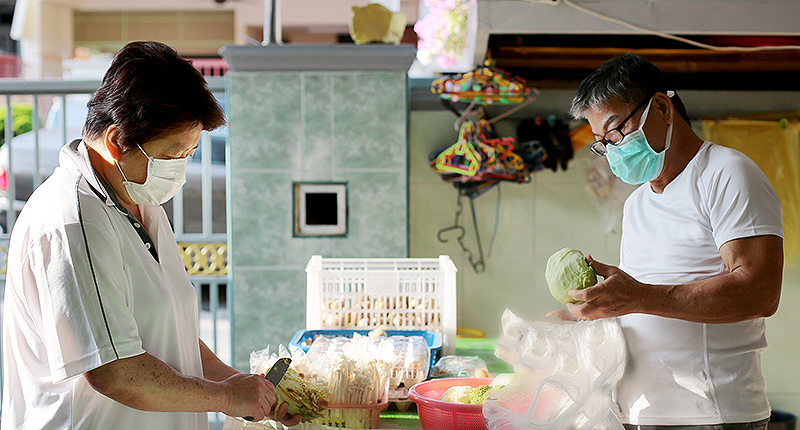
Every day, families around the world struggle to put food on the table. Yet globally, more than 930 million tonnes of food are wasted each year at the retail and household level, while another 13.8% never even reaches consumers due to losses along the supply chain.
Food banks already do crucial work by collecting surplus food from farms, factories, restaurants, and retailers. But one area has remained largely unexplored: ports and transport hubs, where vast volumes of food move across borders.
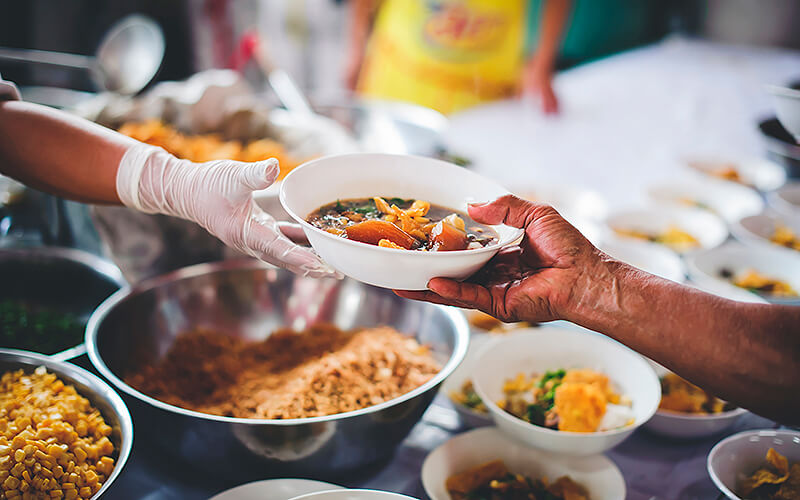
Before assuming ports could offer a new supply stream, HELP Logistics and GFN wanted to test whether meaningful amounts of food are lost there, and whether food banks could access it.
How the Assessment was Conducted
In 2024, the team conducted assessments in Kenya and the Philippines using a mix of research and field-based methods. This included mapping key seaports, dry ports, airports, and transport nodes to understand cargo flows and food handling practices. Site visits were conducted at selected ports to observe operations directly.
The team also interviewed port authorities, customs officials, logistics actors, and food bank staff to understand how rejected, delayed, or abandoned shipments are managed. The assessment also looked at past cases where food was delayed, turned away, or left unclaimed, and whether any of it could have been safely recovered.
This approach helped identify which locations hold the most potential for surplus food recovery and clarified the practical barriers that food banks face when trying to access this food.
Lessons from the Field
The assessment revealed that food losses at ports were smaller than initially expected. Strict quality controls, efficient logistics systems, and regulatory oversight meant that most food arriving at or leaving ports did not go to waste.
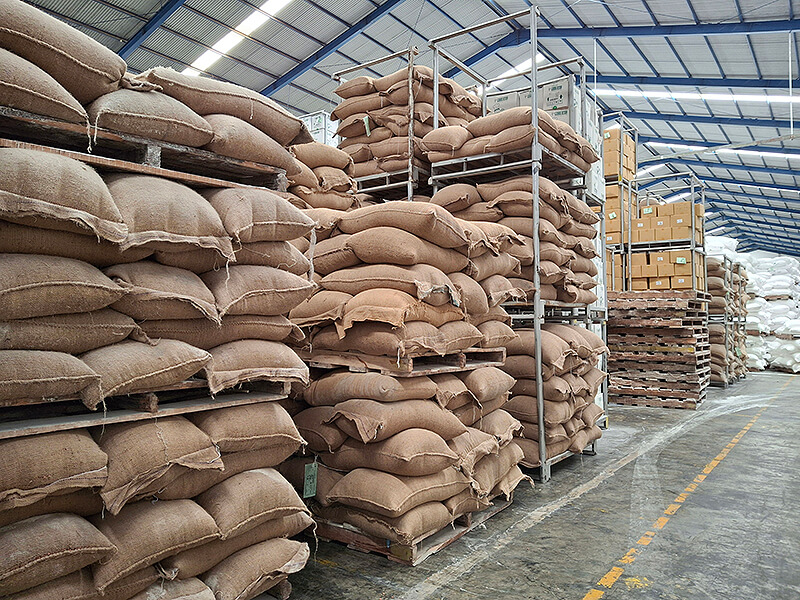
However, the study uncovered key areas of opportunity. Abandoned goods, such as rice and sugar, were often auctioned by port authorities instead of being donated. Shipments rejected for labeling or paperwork issues, though may still be perfectly safe to eat, lacked any pathway for redistribution. And in many settings, food banks faced legal, administrative, or logistical barriers to accessing any potential surplus within the port system.
These findings shifted the focus beyond the ports to the wider supply chain they connect to. This includes fish ports, packhouses, and border inspection sites, which offer much greater potential for food recovery.
Building Bridges for Systemic Change
Based on the findings, HELP Logistics and GFN developed four practical recommendations:
- Strengthen partnerships between food banks, port authorities, customs, and logistics actors to create formal donation pathways.
- Enable supportive policy frameworks such as Good Samaritan protections, tax incentives, and clearer donation procedures.
- Look beyond major ports and prioritize nodes like fish ports, packhouses, and processing centers where surplus is more common.
- Invest in food bank capacity including cold chain equipment, transport crates, and staff training to manage large-scale recoveries.
A Broader View of Food Recovery
The assessment showed that while ports themselves may not be major sources of recoverable food, they link to a wider supply chain where real opportunities exist. By understanding how food moves through these systems, HELP Logistics and GFN identified practical ways to reduce food loss and strengthen food banks. This work helps shift attention toward parts of the supply chain where safe, surplus food is more readily available and where stronger coordination can support communities facing food insecurity.
You can read the full report here.